
Aquaculture: A Valuable Tool for Marine Conservation?
Guest Author: Dr. Chamika Siriwardhana
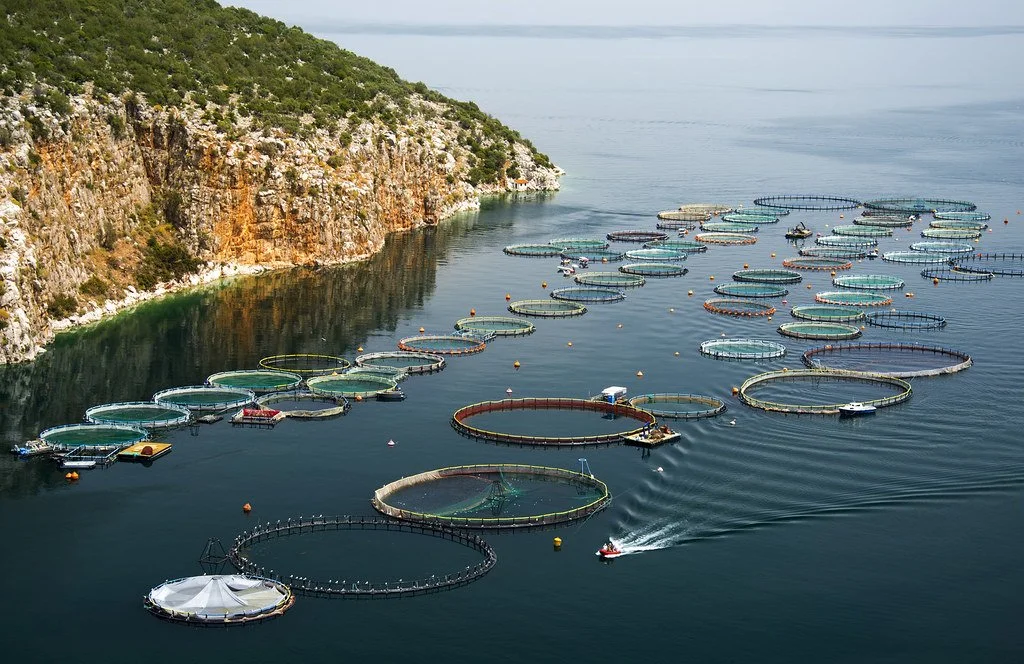
Fish farm. Photo: Artur Rydzewski on CC BY 2.0.
Aquaculture can pose a threat to the ecosystem if poorly managed, and is often portrayed as an environmental risk. Consequently, many characterize aquaculture as a foe to fish conservation. However, regardless of these concerns, aquaculture practices will likely continue.
Due to unsustainable fishing practices, some economically valuable fish, such as the Blue Fin Tuna and Mutton Snappers, have disappeared completely. Many fish species are declining, and this rate of decline is accelerating.
If managed appropriately, aquaculture can be used as a tool for fish conservation.Subsequently, we can conserve different fish species, manage particular ecosystems, and make fishing sustainable.
What are the Methods of Fish Conservation?
While there are numerous methods of fish conservation, we will talk about 3 of them.
Restocking of overfished waters
Certain fish species are declining due to overfishing. In such areas, regulating fishing practices can be an option to restock those fish populations.
Checking indiscriminate fishing
Indiscriminate fishing methods such as dredging, gillnetting, longlining, and trawling can kill immature fish, causing a decline in reproduction. Thus, banning these indiscriminate practices can increase populations, as more fish are then able to mature and reproduce.
Aquaculture
Cultivating fish and aquatic plants under controlled conditions can reduce the harvesting of wild fish and plants, allowing the environment to flourish in its natural state.
How Does Aquaculture Help Conserve Fish Resources?
Aquaculture helps to cultivate fish, plants, and other species in managed environments. Depending on the needs of specific areas, aquaculture can reduce the harvesting of wild populations, produce food sources for wild fish, and protect endangered species by culturing them in controlled ecosystems.
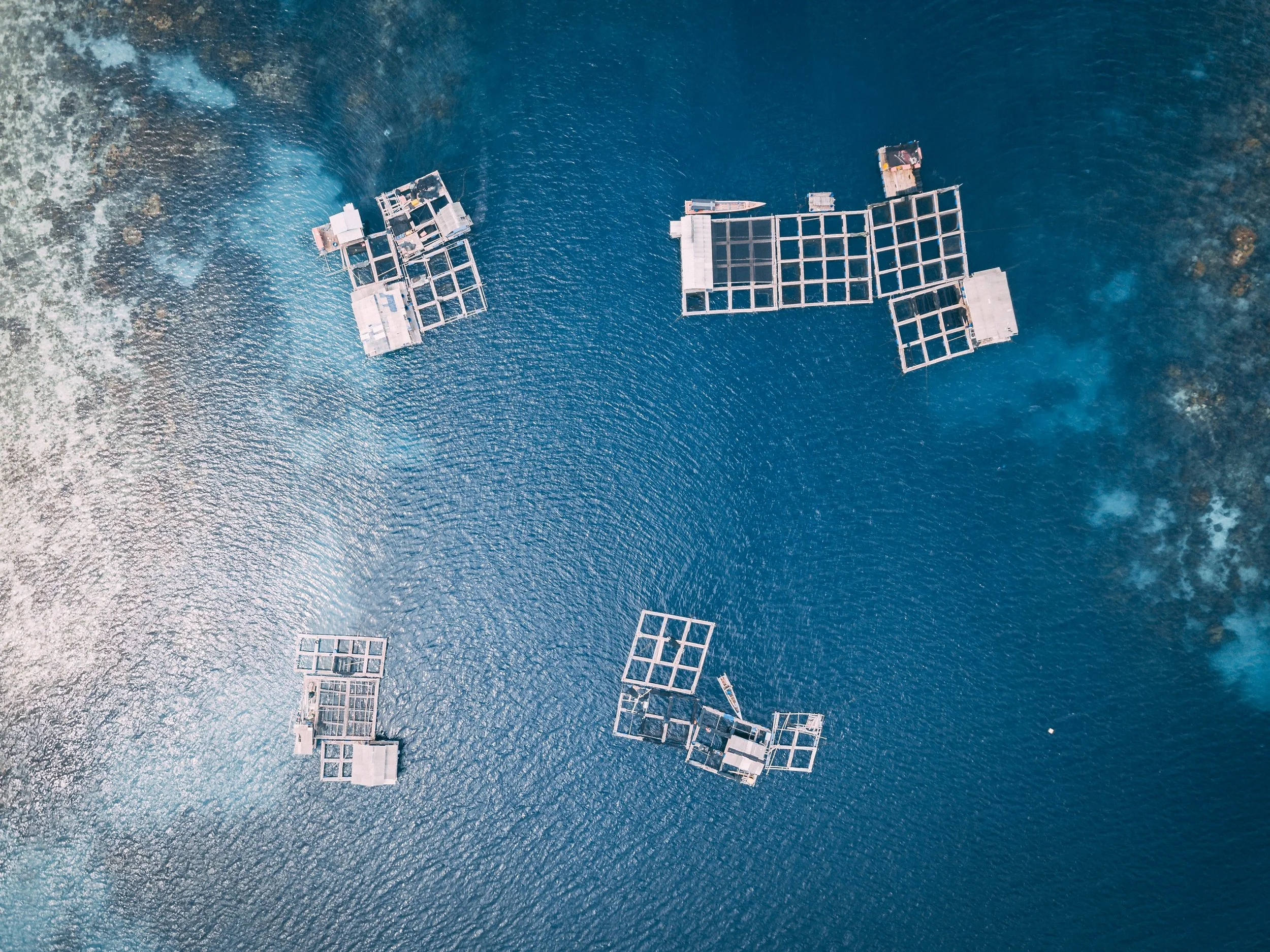
Aerial shot of a fish farm. Photo: Hanson Lu on Unsplash.
Environmental Benefits of Aquaculture
Aquaculture can benefit the environment in several ways.
Reduction of pollution in the ocean
Culturing specific species, such as mollusks and seaweed, can help reduce ocean pollution. Mollusks are filter feeders, and seaweed is the grass of the sea. The combination of these species can sift and clean the water, removing pollutants and other harmful chemicals. Clean water ensures a healthy environment for marine species, increasing the reproductive success of fish and other marine life.
Reduction in overfishing of wild stock
Aquaculture allows farmers to breed fish species in captivity, reducing the need for wild-caught fish in the market. Cultivating fish is much more affordable and less challenging than traditional fishing. Consequently, many people see aquaculture as a preferable means for fish harvesting.
Conservation of endangered species
The fish and other marine life endangered by human activities can be conserved by aquaculture. Such examples include habitat restoration of oyster beds, aquarium trade of coral reef species, and captive breeding of Sulawesi shrimps and clownfish for the aquarium trade.
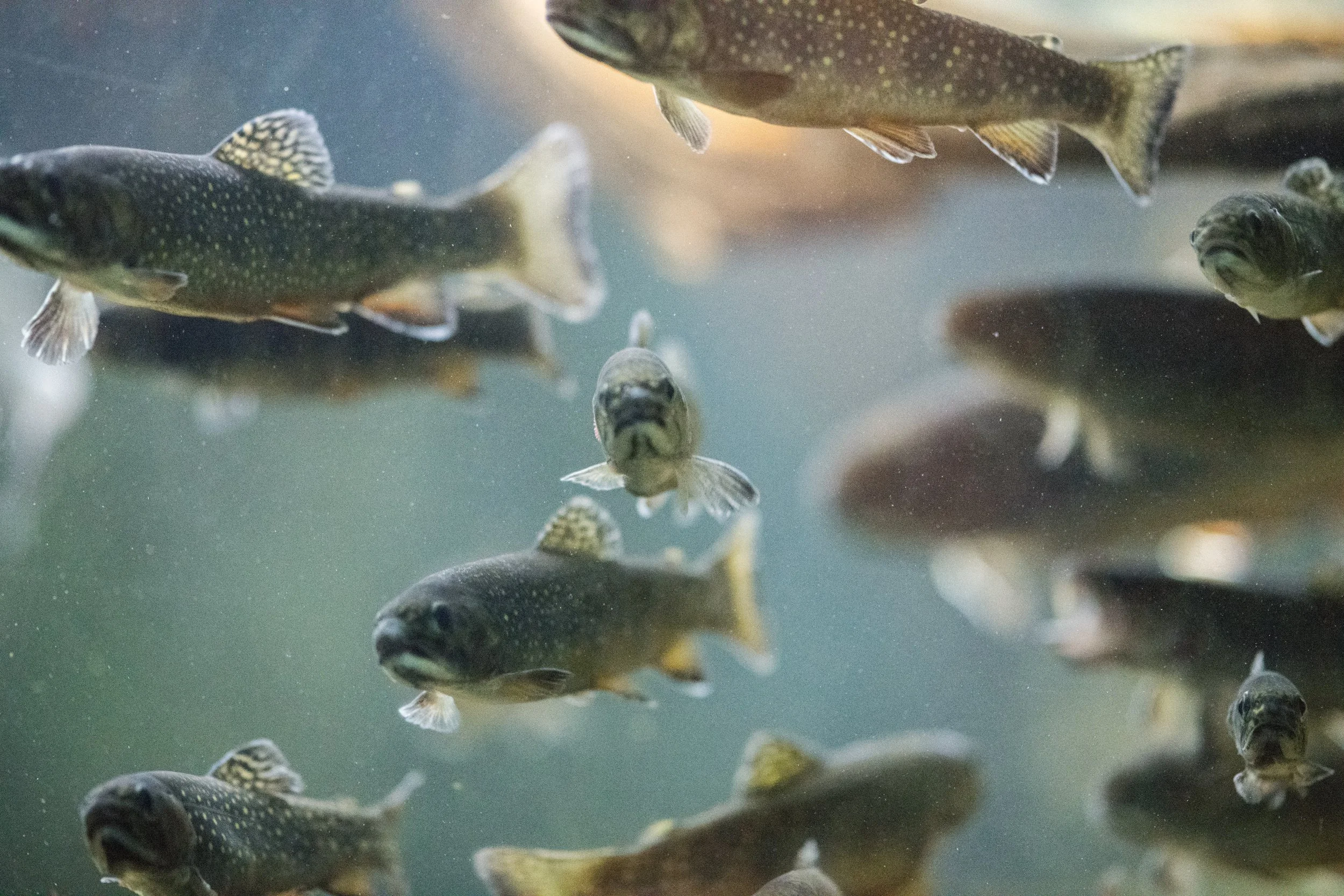
Trout is a common species cultivated in fish farms. Photo: John Werner on Unsplash.
Disadvantages of Aquaculture
Along with the benefits of fish farming, there are also negative aspects. We must be aware of these harmful effects on the environment and try to reduce them at all costs.
Transferring diseases and parasites to the wild
Fish farming may produce unwanted diseases and parasites. If these fish escape or are released from farms into the wild, they may carry these diseases and parasites with them. This may negatively impact native fish species, and ultimately cause declines in wild populations.
Pollution of water systems
Large numbers and concentrations of farmed fish can cause water pollution by releasing excess nutrients and fecal matter into natural water systems. In order to limit this, fish farming should be somewhat controlled by the government.
Disturbing wildlife for fishmeal production
Farm-raised fish are fed with fishmeal. Fishmeal is produced from wild-caught fish, such as anchovies and sardines, which are harvested by trawling the ocean floor. These practices harm the sensitive ecosystems of the ocean.
As outlined, there are a few risks associated with fish farming. However, if properly managed, aquaculture can serve as a valuable tool in fish conservation and provide a sustainable way to preserve marine species.
Rising Tides is a series focusing on the current threats facing our ocean, how they are being tackled, and what you can do to help
This article was written by Dr. Chamika Siriwardhana, editor of Life of Fish. Interested in learning more about the author? Follow him on Facebook!
Want to write for us? Check out our ‘Get Involved’ section.