
A new kind of marine tourism operation in Indonesia
Project Hiu aims to save sharks by integrating directly within the local shark fishing community
Growth in marine tourism over the last few years has provided an important source of income for small island and Global South communities with access to remote marine areas and reduced human impact. Access to pristine marine ecosystems has been noted as a primary motivation for international tourists.
It also has the potential to drive conservation that could help support vulnerable species. With global shark populations drastically collapsing in the last few decades, there is a desperate need to improve their protection.
For tourism to truly be sustainable, it needs stewardship and support from the local people, who may be benefiting from those resources in other ways, such as targeting shark fishers who can gain a significant income from shark incomes. Here we look into a new approach to conservation brought into the mainstream narrative by shark conservationist and filmmaker, Madison Stewart.
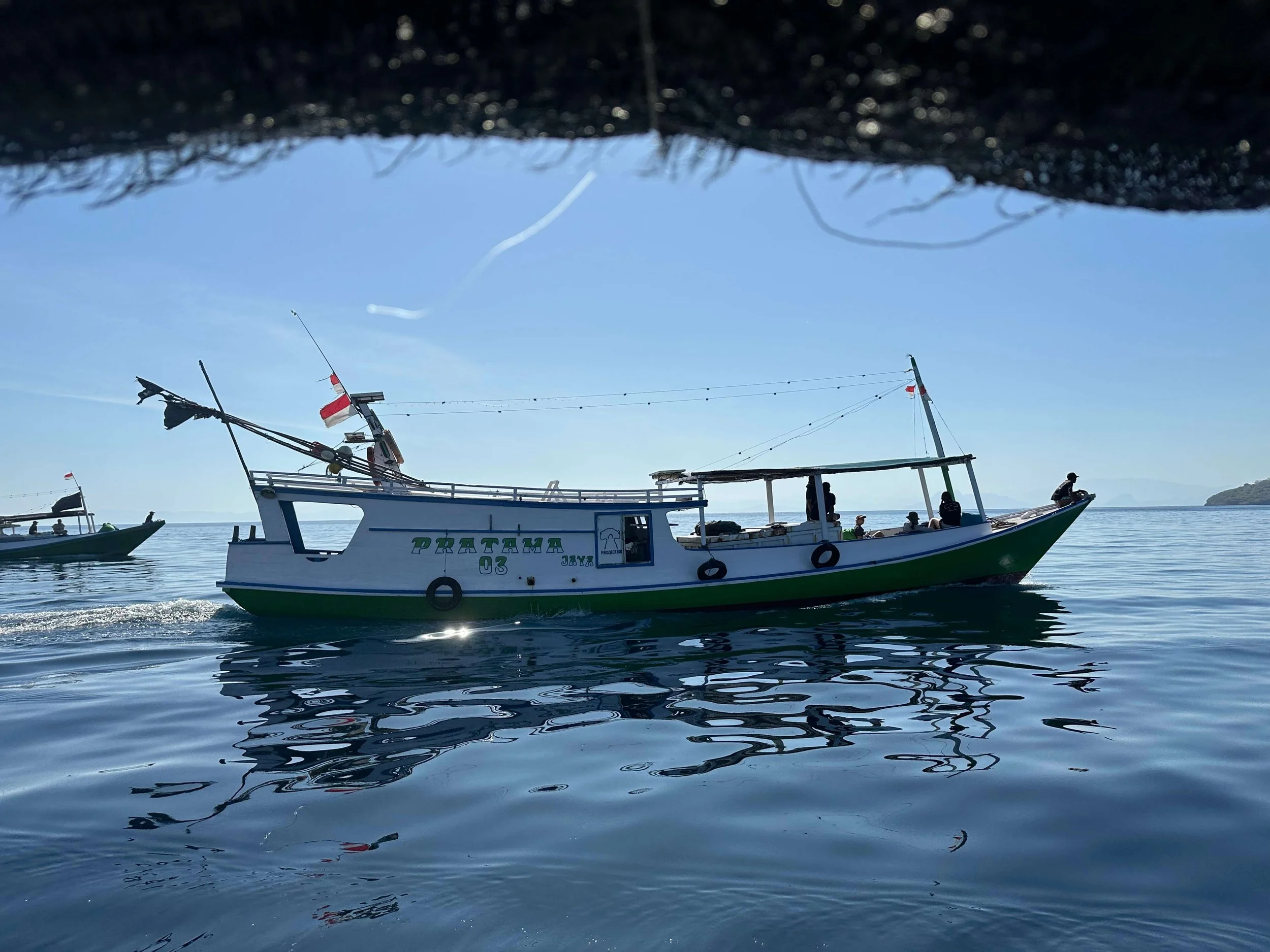
A shark-fishing turned snorkeling vessel. Photo: Taylah Bruce.
Project Hiu: an unexpected people’s project to support shark conservation
Project Hiu began when shark conservationist Madison Stewart went over to an infamous shark market in Lombok, Indonesia. As a filmmaker who has documented the devastation of shark populations globally, Madison sought to educate people about the shark finning industry - but in reality, the people she sought to work with assumed these fishermen were bad men, doing the wrong thing, knowingly, for the wrong people.
However, when she met these fishers, she recognised that this wasn’t just a shark conservation issue, it was a humanitarian one. And she shifted her focus from “exposing” them, to offering these men a different way of life.
While shark fishing is recognised in the local community as a respected trade, it is an extremely dangerous one. Fishing trips require being away from families for weeks at a time, with high risks associated with the work. Unsustainable practices and an insatiable demand for shark fins have depleted local shark populations, and these fishers often have to venture out to further distances and for longer periods of time. However, it’s a livelihood that provides a significant source of income, and many are reliant upon it to provide their next meal.
Though the community was initially wary of Madison’s intentions, developing genuine relationships with the fishermen allowed Madison to realise she could do more good by not demonising these shark fishers. Instead, she sought to work alongside them, using tourism as a vehicle for a more sustainable way of life, for both themselves and endangered shark species.
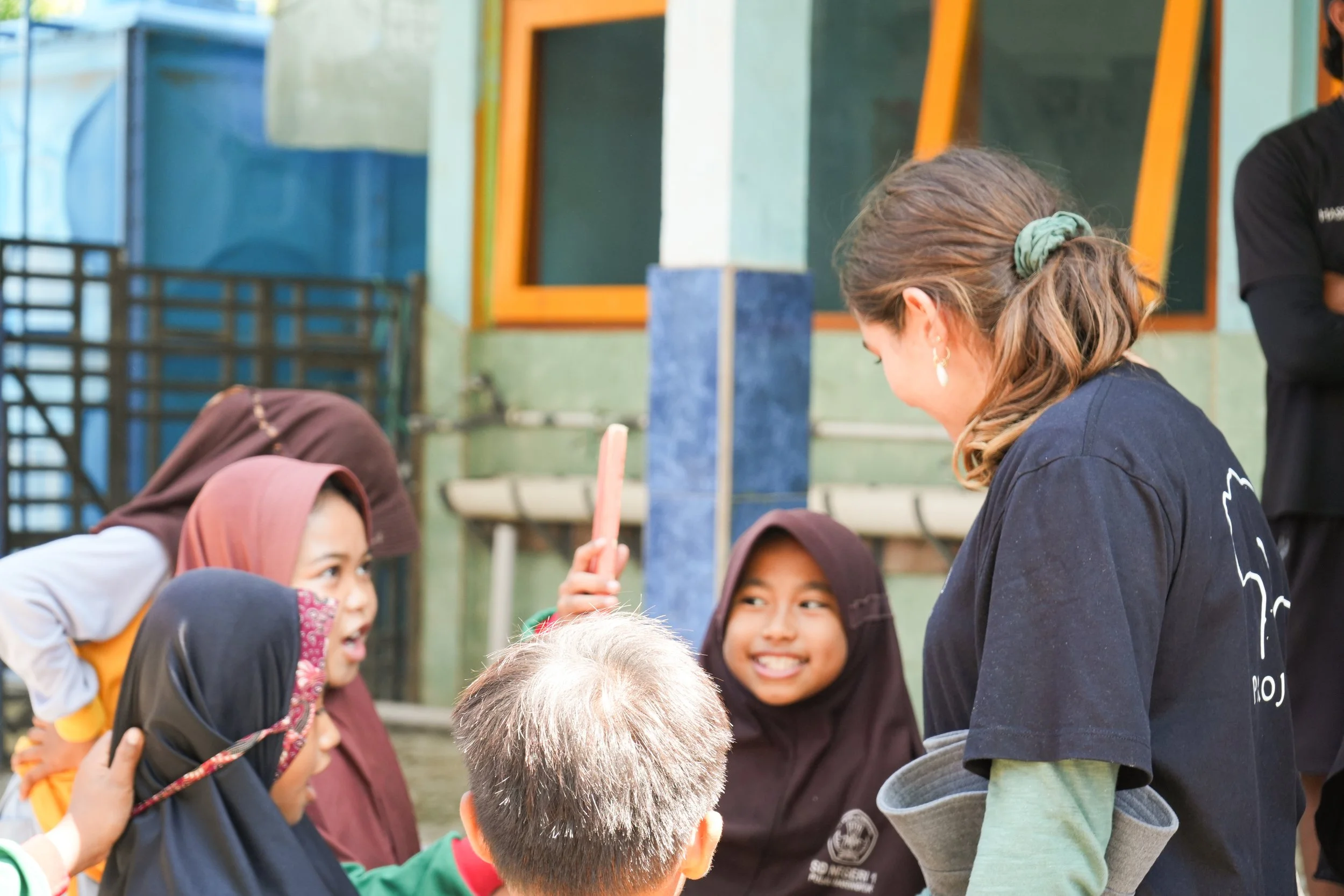
Taylah Bruce, Project Hiu intern, alongside the local school children. Photo: Taylah Bruce.
Project Hiu, from the Indonesian word for “shark”, seeks to provide an alternative income for shark fishermen in Indonesia through hiring the boats and locals that crew them to take out tourists to local reefs, including shark nursery areas, instead of going on shark fishing expeditions. Madison trialled this simple idea in 2018, and has been building slowly since then, with 15 boats now employed in their fleet.
Project Hiu has also looked beyond just employing the shark fishers, engaging with the local women to make sarongs as an additional source of income, helping to organise the installation of a water tank in the local school with help from the Reece Foundation, and providing sanitary products to the women and young girls in the community.
Project Hiu in practice from the eyes of intern Taylah Bruce
However, starting a completely new tourism operation from scratch in a location that has had little interaction with Western tourists can pose some significant challenges. As Project Hiu is still in the relatively early stages of its operation, they created an internship program to not only help grow the project, but assist in being able to get more interested people involved in it. Interns help oversee and train fishermen to run snorkel day tours and act as translators. The goal is to help support the eventual transition to a fully fishermen/local-led operation that runs tours by themselves, without the additional support provided by Project Hiu. Taylah Bruce, inspired by both Madison Stewart’s work and her passion for shark conservation, shared her experience with us and gave some insight into what this project looks like in practice.
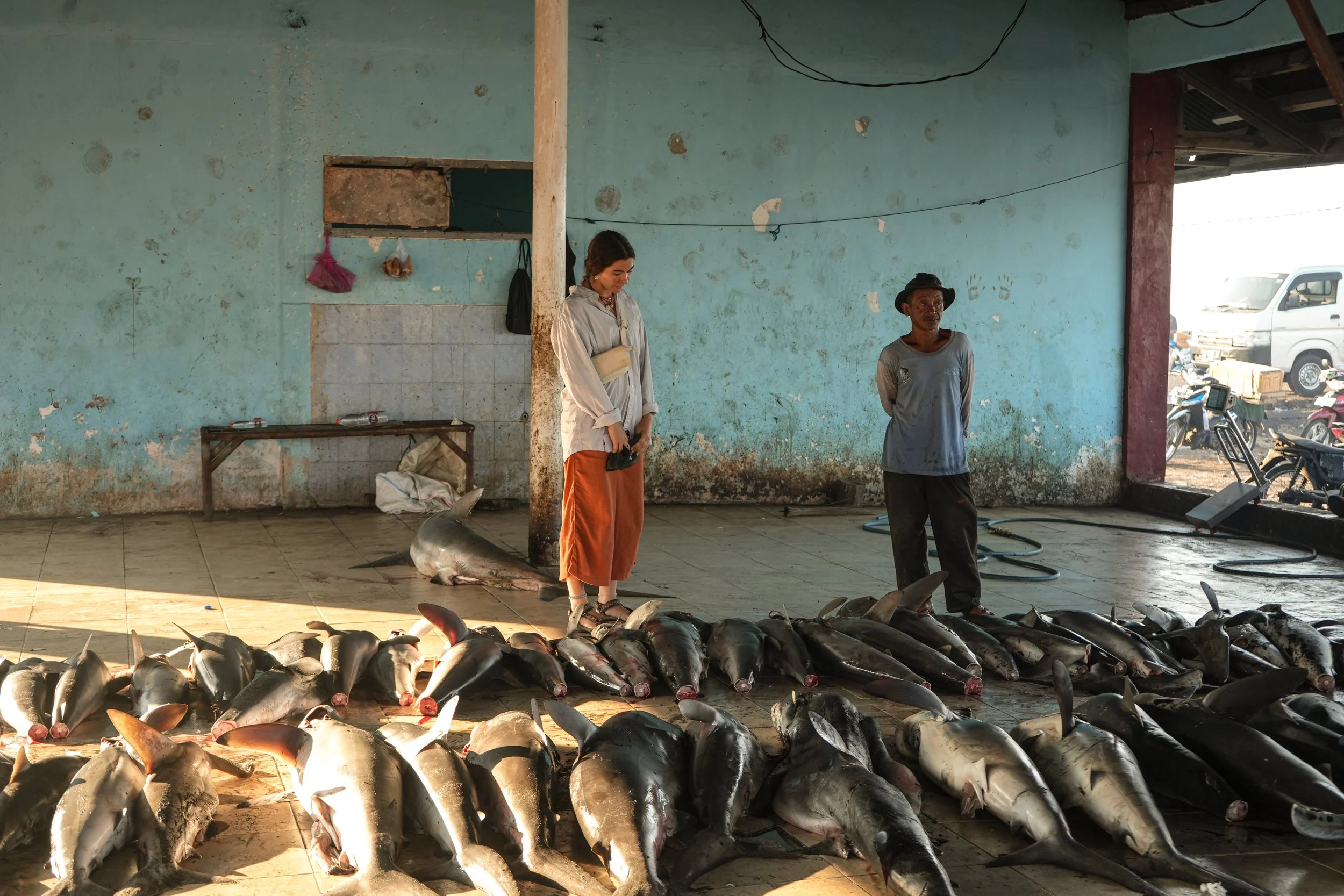
Taylah Bruce visiting the shark market. Photo: Taylah Bruce.
Taylah has been working in the marine science and dive tourism industry in Australia, with a stint in Borneo, since finishing her Bachelor's degree in 2016. She had become familiar with Madison’s shark conservation efforts through social media, and prior to learning about Project Hiu, she had shared the same bias that shark fishermen were the problem.
One of her biggest revelations from her initial internship with Project Hiu was understanding how much bigger the shark finning industry is, beyond the direct role that these low-income fishermen play. Most fishers don’t even get a significant fraction of the money that the rest of the supply chain can receive in providing shark fins to the Chinese market.
“One of the hardest things in marine conservation [is that] you can feel like you’re stuck on a bit of a hamster wheel. You’re doing this thing over and over again but not seeing any change, especially in Australia. Coming from tourism [in Australia], I was interested in ecotourism in another country, specifically with people who had never actually worked in tourism before,” Taylah shared.
That said, Taylah acknowledged that there are some significant challenges the project faces in order to be sustained long-term, including a lack of tourist numbers, shifting skills from shark fishing to tour operations, and the cultural differences between a small, conservative Muslim community and lax Western tourist behaviour.
The interns play a critical role in operational support and mending the cultural gaps, helping fishers meet standard tourism requirements and getting them comfortable with engaging with the guests, and advising tourists of required, respectful behaviour.
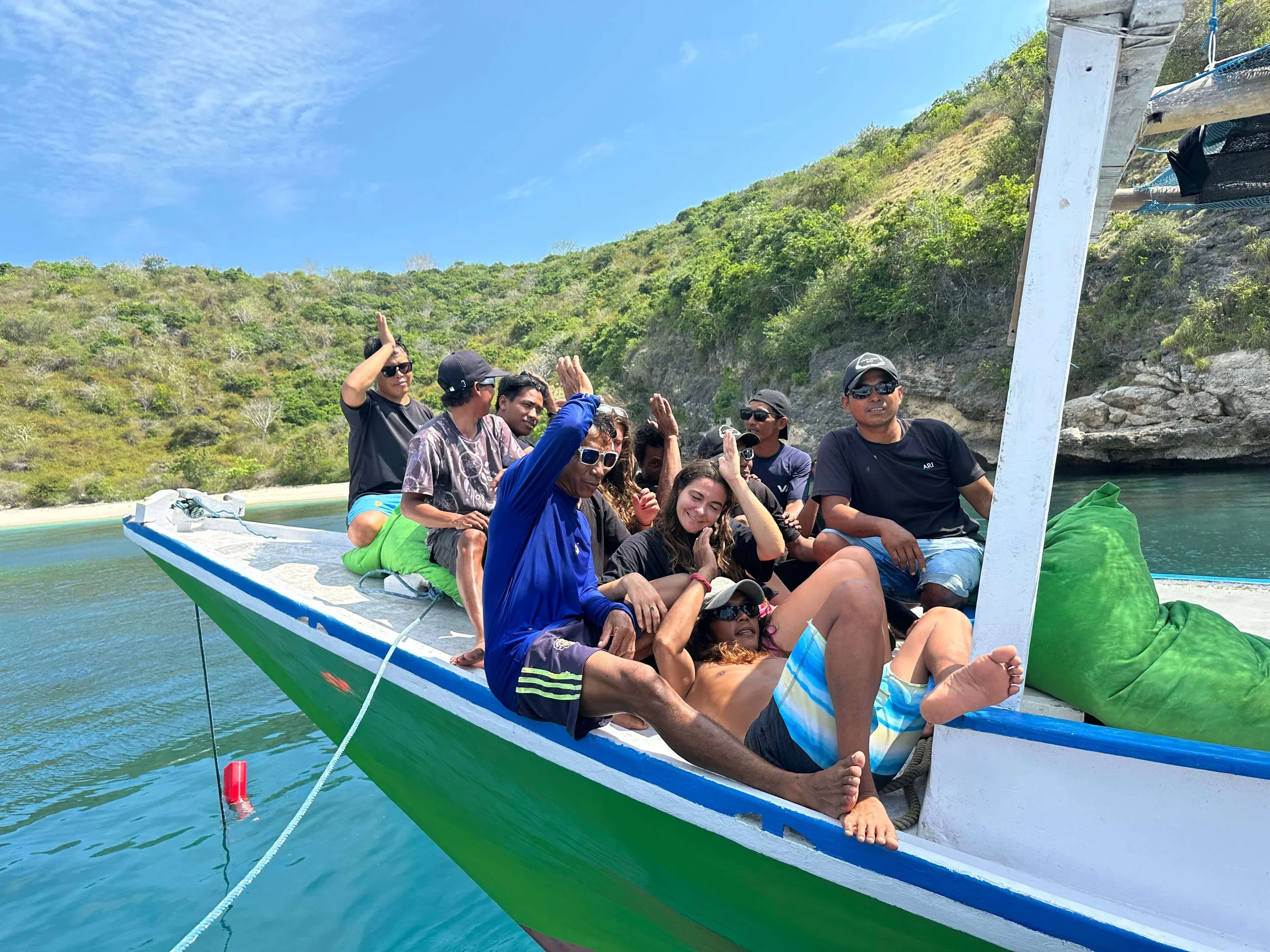
Taylah and other guests alongside the shark fishermen turned tour guides. Photo: Taylah Bruce.
Beyond this, interns have the opportunity to run their own side project or event within the community to help raise awareness about Project Hiu. Unfortunately, not many people outside of Australia know much about the project, even though the shop is on the main street in Kuta, Lombok. She spent her time working with other businesses on collaborations, sharing on social media, as well as hosting in-person events to raise more awareness and funds for tour activities.
Taylah shared that the majority of marine conservation organisations that you visit overseas are just businesses - despite the conservation intentions, it is often just a business for someone else.
Taylah shared the immense personal value she received from participating in the project where you can see the direct influence you have on the people you work alongside. It’s not just about marine conservation, it’s working with a community to figure out how they can work together to create more sustainable and viable outcomes for both people and sharks.
“Obviously still seeing all boats and knowing they’re not going out and fishing sharks is a really cool part of it, but building connections with humans in person and being able to change someone’s life…saving shark lives is a bonus.”
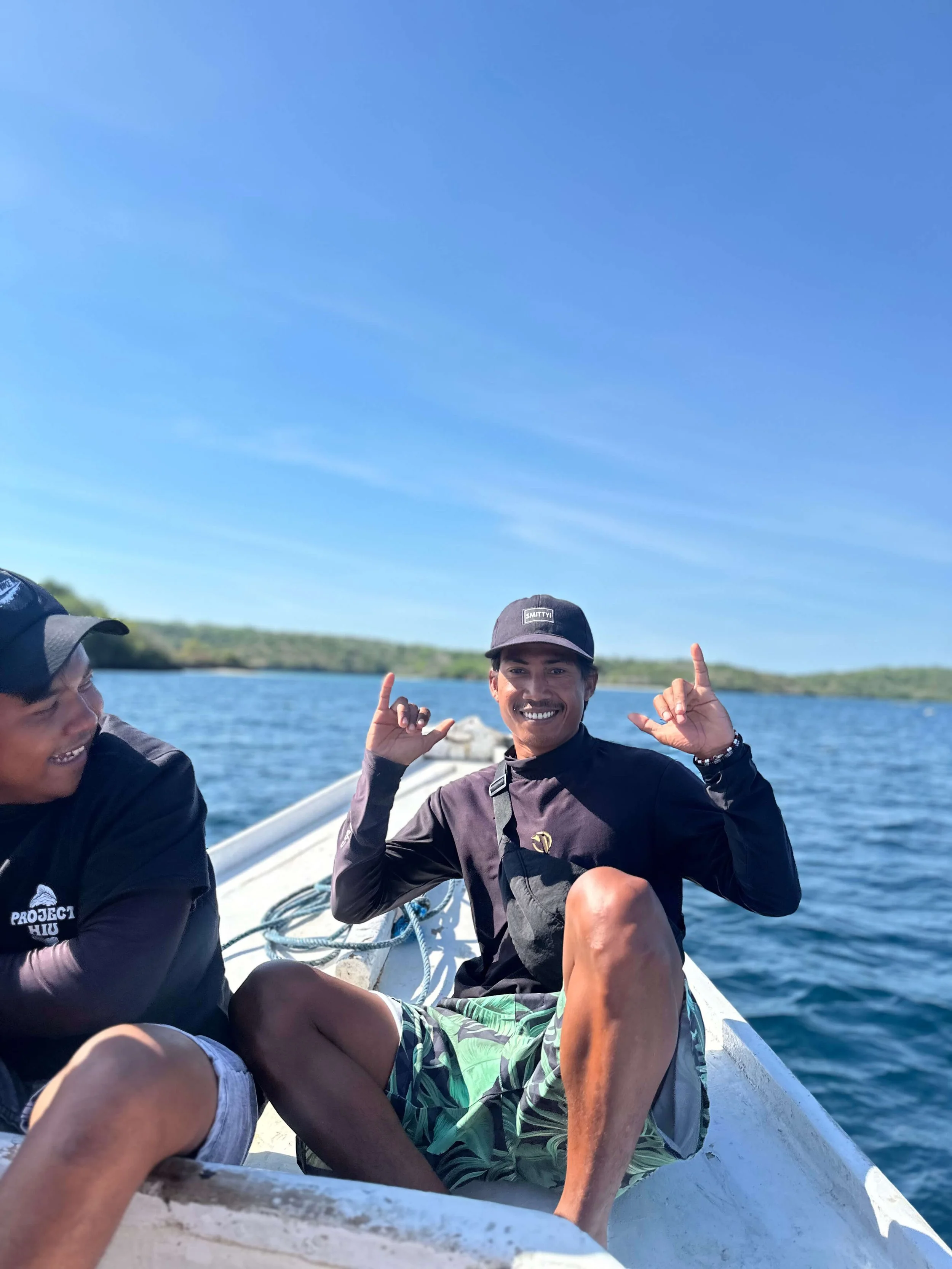
Shark fishermen on board a snorkeling trip. Photo: Taylah Bruce
How you can help support Project Hiu
Innovative approaches to conservation, led by compassion and contextual understanding, are needed now more than ever. If you are interested in learning more about Project Hiu, volunteering with them, or visiting them in Lombok, Indonesia, learn more at their website or on Instagram, @projecthiu.
And a special thank you to Taylah Bruce for sharing her experience with Project Hiu and giving us a deeper look at what the project is all about in practice.
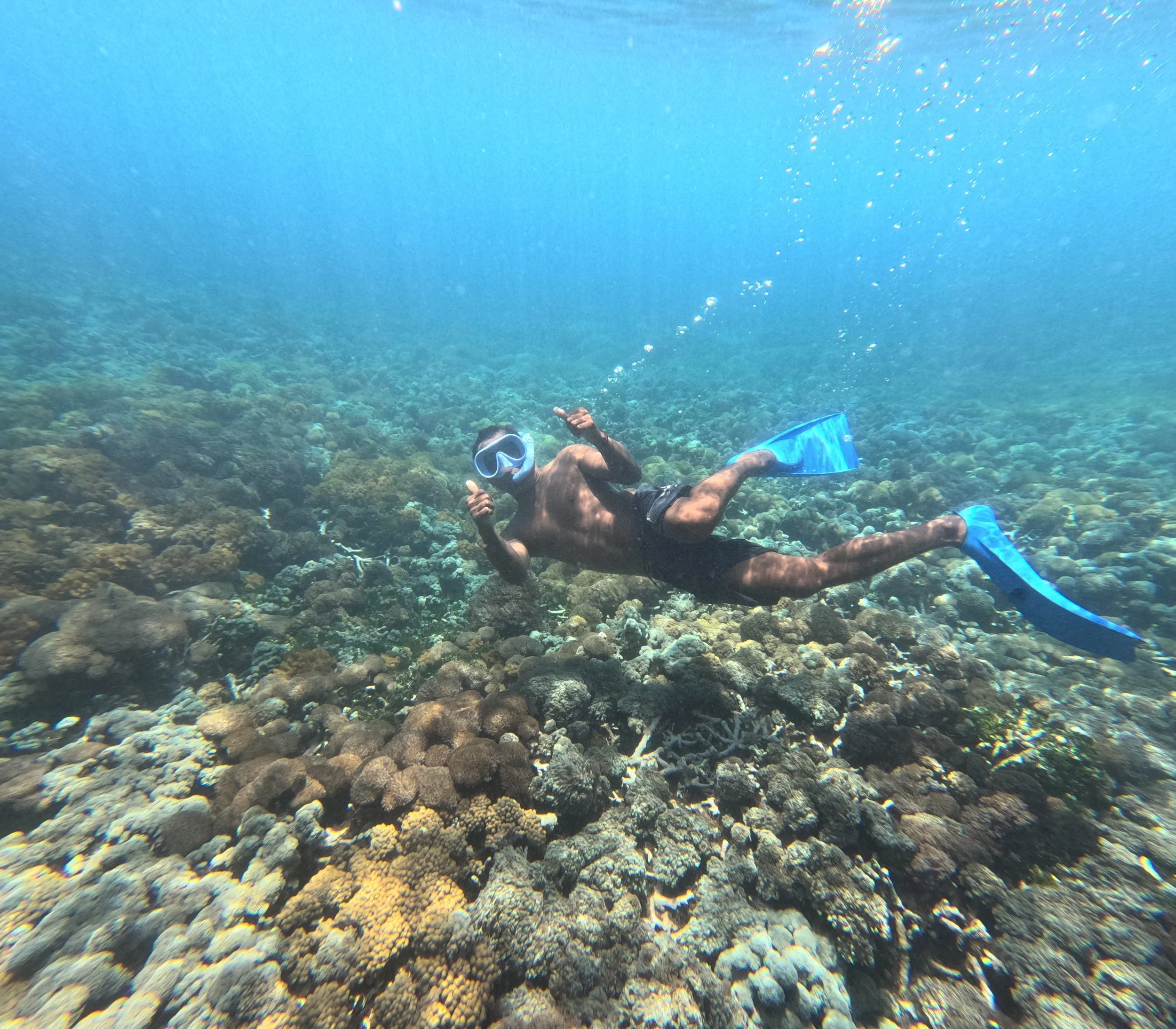
Shark fishermen snorkeling. Photo: Taylah Bruce